Change: The Elegant Script Font for Modern Design
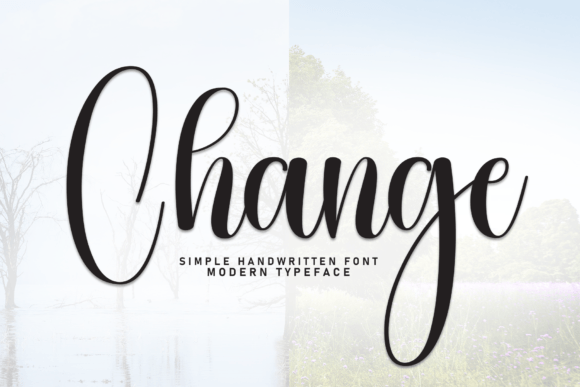
In a world saturated with digital noise, a single, authentic touch can make all the difference. The right typographic choice can instantly convey warmth, sophistication, and personality, transforming a standard design into a memorable experience. This is where Change, a stylish and incredibly elegant script font, emerges as a powerful creative asset. It looks stunning on wedding invitations, thank you cards, quotes, greeting cards, logos, business cards, and every other design which needs a handwritten touch, offering a seamless blend of classic charm and modern fluidity.
Why Typography is the Cornerstone of Visual Communication
Typography is far more than selecting a pretty font; it is the voice of your design. In graphic design, typeface selection directly impacts visual hierarchy, readability, and emotional resonance. A well-chosen font like Change does more than display text—it tells a story. Its flowing, connected letters mimic the intimacy of human handwriting, making it an ideal solution for projects aiming to build a personal connection with the audience. This focus on authenticity is a key driver in contemporary design trends, where brands seek to appear more human and relatable.
Practical Applications for the Change Font
The versatility of a high-quality script font allows it to elevate a wide array of creative projects. Understanding its ideal use cases ensures you leverage its strengths for maximum visual impact.
- Branding and Logo Design: For boutique brands, artisan products, or personal services, Change can form the core of a brand identity. It excels in creating logos, monograms, and brand marks that require a touch of elegance and exclusivity.
- Marketing Materials: From print design like brochures and flyers to digital advertising campaigns, using Change for headlines or call-to-action text can draw the eye and evoke specific emotions aligned with your campaign's message.
- Social Media Graphics: In the fast-scrolling world of social media, a distinctive font stops the thumb. Use Change for quote graphics, promotional announcements, or story highlights to create a cohesive and recognizable aesthetic.
- Packaging and Editorial Design: On product packaging, it suggests craftsmanship and care. In editorial layouts, it can be used for pull quotes or section headers to break up text and add visual interest.
Integrating Design Assets into Your Workflow
Effective use of any creative asset requires more than just placement; it demands strategic integration. When incorporating a font like Change into your design workflow, consider the following to ensure a professional presentation:
- Pairing with Complementary Typefaces: Script fonts are often best used as accents. Pair Change with a clean, legible sans-serif or serif font for body text to maintain clarity and establish a clear visual hierarchy.
- Ensuring Readability and Scalability: Test the font at various sizes. While beautiful at larger scales, overly intricate scripts can lose legibility in small body text. Its primary strength lies in headlines, logos, and display text.
- Harmonizing with Your Color Palette: The elegance of a script font is amplified by color. Ensure your chosen colors complement the font's style and align with your overall brand identity and modern aesthetics.
- Context is Key: Always consider your audience and design goals. A whimsical script may be perfect for a UI design element in a children's app but less suitable for a corporate financial report.
Ultimately, thoughtful design is about making intentional choices that serve both form and function. Selecting a premium resource like the Change font is an investment in quality and personality. By carefully evaluating how such assets align with your project's goals, audience expectations, and existing brand systems, you can significantly enhance your visual design output. Quality creative tools do more than beautify; they improve communication, strengthen engagement, and ensure your projects leave a lasting, polished impression in a competitive digital landscape.